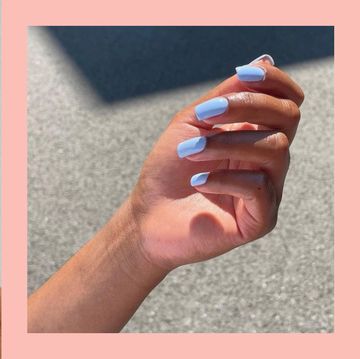
Pastel Nails: The Soft Power Trend Dominating 2024
Have you ever wondered why pastel nails seem to be everywhere—from your favorite influencer's Instagram feed to the red carpet and the office cubicle next door? It’s more than just a fleeting color trend; it’s a masterclass in subtle self-expression that bridges the gap between playful sophistication and timeless elegance. Pastel nails represent a conscious shift towards softer, more mindful aesthetics in a world that often feels overwhelmingly loud. This comprehensive guide will dive deep into the universe of pastel nail art, exploring its psychological impact, hottest trends for 2024, foolproof application techniques, and how to make this delicate look work perfectly for you, no matter your style or skill level.
What Exactly Are Pastel Nails? A Deep Dive into the Hue
At their core, pastel nails are manicures featuring soft, muted, and lightened versions of classic colors. Think of them as the gentle cousins of bold primaries. The magic happens by adding a significant amount of white to a pure hue, which desaturates it and creates that characteristic dreamy, milky, or powdery finish. This isn't just about pale pink; the pastel spectrum is beautifully vast, encompassing everything from lavender and mint green to peach, baby blue, butter yellow, and lilac.
The history of pastel nails is intertwined with broader fashion movements. While soft nail colors have appeared in decades past—think of the subtle pinks of the 1950s or the frosty tips of the 1990s—the current resurgence is different. It’s driven by a cultural appetite for "quiet luxury" and wellness aesthetics. Social media platforms like Pinterest and TikTok have been pivotal, with searches for "pastel nail ideas" and "soft girl nails" skyrocketing. According to Pinterest's 2023 Predictions report, terms related to "soft" and "gentle" aesthetics saw massive growth, with pastel nail art being a primary component. This trend transcends age and gender, appealing to anyone seeking a look that is polished, calming, and intentionally understated.
The Allure and Psychology: Why We're Drawn to Soft Nail Colors
The popularity of pastel nails isn't arbitrary; it's deeply rooted in color psychology. Pastel hues are universally associated with positive, calming emotions. Soft pinks and peaches evoke feelings of warmth, compassion, and approachability. Lavenders and lilacs are linked to creativity, spirituality, and calmness. Mint greens and sky blues suggest renewal, freshness, and tranquility. Wearing these colors on your fingertips—a highly visible part of your body—subconsciously projects these vibes to the world.
In a professional setting, a pastel manicure can communicate attention to detail and a composed, collaborative nature without screaming for attention. It’s the nail equivalent of a power suit in a soft fabric. Conversely, for creative expression, pastels provide a perfect, neutral canvas. Because they are low-contrast and muted, they allow for incredible versatility in nail art—from delicate white lines and tiny dots to metallic accents and subtle glitters—without looking chaotic. They represent a mature, considered approach to beauty, where the statement is in the nuance, not the noise.
Mastering the Pastel Manicure: Your Step-by-Step Guide to Perfection
Achieving a flawless, salon-worthy pastel manicure at home is absolutely possible with the right technique. The key challenge with pastel polishes is their often sheer, buildable formula, which can lead to streaking or patchiness if not applied correctly.
1. Preparation is Non-Negotiable: Start with clean, dry, and dehydrated nails. Push back cuticles gently and lightly buff the nail surface to create a smooth base. This ensures the polish adheres evenly and lasts longer. Always apply a quality base coat—this is your stain-proofing and adhesion hero, especially crucial for preventing those pale pigments from staining your nails.
2. The Art of the Thin Coat: This is the golden rule. Apply your pastel polish in thin, even layers. It’s better to do three thin coats than two thick, gloppy ones. Thick coats will take forever to dry, are prone to denting, and will look uneven. Let each coat dry completely (2-3 minutes with a good quick-dry top coat spray or drops) before applying the next. For particularly sheer pastels, a white or opaque nude base coat can be a game-changer, making the pastel color pop and become opaque in fewer coats.
3. Seal the Deal with a Top Coat: A high-quality top coat is the final and most critical step. It provides shine, prevents chipping, and protects your delicate color. For a modern, matte pastel look, use a matte top coat. For maximum longevity and a glassy finish, a gel-like top coat applied carefully is ideal. Don’t forget to "cap the edge"—run the brush along the very tip of your nail to seal the free edge and prevent premature chipping.
2024's Hottest Pastel Nail Trends to Try Now
The world of pastel nails is constantly evolving. Here are the dominant trends defining 2024:
- The "Clean Girl" Pastel: The epitome of minimalist chic. This look features a single, uniform pastel shade—often a sheer pink, milky lavender, or cream—with a high-shine or soft matte finish. The focus is on impeccable application, short, rounded nail shapes, and zero embellishments. It’s about healthy-looking, groomed nails with a whisper of color.
- French Tips, Reimagined: The classic French manicure has gotten a pastel makeover. Instead of white tips, try colored tips in a contrasting pastel (e.g., a pale blue tip on a nude base) or a soft gradient tip where the color fades from the cuticle to the tip. A "negative space" French with the tip color only on the lower half is another sleek variation.
- Pastel Ombré & Glitter Fade: This romantic trend involves a seamless gradient from one pastel shade to another (like peach to pink) or a soft glitter fade where dense glitter concentrates at the tip or cuticle and fades towards the middle. It’s dreamy, feminine, and perfect for special occasions.
- Abstract Pastel Art: Think soft watercolor washes, delicate white or metallic line drawings, and organic blobs in multiple pastel shades. The key is looseness and asymmetry. Use a thin nail art brush or a dotting tool to create tiny stars, hearts, or swirls that add whimsy without clutter.
- Pastel with a Dark Twist: For those who love edge, the contrast of a pastel nail with a dark accent nail is huge. This could be one nail painted in a deep burgundy or forest green, or a pastel nail with a black graphic design (like a thin stripe or outline). It breaks the sweetness and adds instant cool-girl credibility.
Making Your Delicate Manicure Last: Pro Maintenance Tips
Pastel nails, with their often sheer formulas, can be more prone to showing wear. Here’s how to extend their life:
- Wear Gloves for Chores: This is the #1 rule. Harsh soaps, cleaning products, and prolonged water exposure are the enemies of your manicure. Nitrile gloves are your best friend during dishwashing, cleaning, and gardening.
- Reapply Top Coat Every 2-3 Days: A fresh layer of top coat can revive shine and add a protective barrier, significantly delaying chips. It’s a 30-second fix that makes a massive difference.
- Moisturize Cuticles Daily: Dry, cracked cuticles make any manicure look unkempt. Use a cuticle oil or rich hand cream daily, massaging it into the nail beds. Healthy cuticles support the nail polish’s adhesion.
- Avoid Using Nails as Tools: This seems obvious, but it’s easy to forget. Don’t use your nails to open cans, scratch off stickers, or type aggressively. This prevents lifting and peeling at the tips.
- Gentle Removal: When it’s time for a change, don’t peel or scrape off your pastel polish. Soak a cotton ball in acetone, place it on the nail, and wrap with foil for 5-10 minutes. Gently push the polish off with a cuticle pusher. Peeling damages the nail plate, leading to weak, peeling nails.
Finding Your Perfect Pastel: A Guide to Skin Tones
One of the biggest misconceptions is that pastels only suit certain complexions. The truth is, every skin tone can wear pastels beautifully—it’s all about finding the right undertone.
- For Fair Skin with Cool Undertones: Look for icy pinks, lavender, baby blue, and mint green. These cooler pastels will harmonize without washing you out. Avoid overly warm peaches which can look sallow.
- For Fair Skin with Warm Undertones:Peach, coral, butter yellow, and warm pinks will be your best friends. These shades complement golden or yellow undertones beautifully.
- For Medium Skin Tones: You have the most versatility! Both cool and warm pastels will likely work. Rosy pinks, mauve-lilacs, and soft teals are universally flattering. Experiment with contrast—a slightly deeper pastel like a dusty rose can be stunning.
- For Olive Skin Tones:Dusty rose, mauve, and periwinkle are incredibly chic. These muted, slightly grey-toned pastels complement the green undertones in olive skin. Bright, electric pastels might be too stark, but soft, muted versions are perfect.
- For Deep Skin Tones:Rich, saturated pastels work best. Think berry pink, deep lavender, turquoise, and vibrant coral. These shades have enough pigment to provide contrast and pop beautifully against darker skin. Very pale, milky pastels can sometimes disappear, so opt for versions with more color intensity.
DIY vs. Salon: The Pastel Nail Dilemma, Solved
Choose the Salon If: You want a complex, intricate design (like detailed ombré or 3D art), have very weak or damaged nails needing professional care, or simply desire a long-lasting, chip-resistant gel pastel manicure. Salons have professional lamps, high-quality products, and expertise for perfect application. The investment is in time, skill, and longevity.
Choose DIY If: You enjoy the ritual and creativity of doing your own nails, are on a budget, want to experiment with multiple colors quickly, or have a simple, single-color pastel look in mind. With the right tools (a good base/top coat, thin brushes, quick-dry drops) and practice, you can achieve fantastic results. DIY is also perfect for quick touch-ups between salon appointments.
The Hybrid Approach: Many people get a professional gel or dip powder base in a neutral or pastel shade for ultimate longevity and strength, then do their own color changes and nail art on top using regular polish. This gives you the best of both worlds: a strong, long-lasting foundation with the flexibility to change your pastel hue weekly.
Common Pastel Nail Mistakes (And How to Avoid Them)
- Mistake: Skipping the Base Coat. This leads to stained nails and poor polish adhesion. Solution: Never skip it. Use a dedicated base coat.
- Mistake: Applying Thick Coats. This causes bubbling, slow drying, and a lumpy finish. Solution: Embrace thin coats. Wipe the brush on the bottle neck to remove excess polish.
- Mistake: Not Matching the Undertone. Wearing a warm pastel on cool skin (or vice versa) can make you look washed out. Solution: Hold the polish bottle next to your face in natural light. Does your skin look radiant or dull? That’s your answer.
- Mistake: Ignoring Nail Health. Constantly switching between dark and pastel colors, or using harsh removers, weakens nails, making pastels look bad on a poor canvas. Solution: Take "nail breaks" with just a strengthening treatment. Use acetone-free removers when possible.
- Mistake: Letting Chips Linger. A small chip on a pastel nail is very noticeable and looks messy. Solution: Fix chips immediately with a bit of polish and a top coat, or use a nail polish pen for precise touch-ups.
Frequently Asked Questions About Pastel Nails
Q: Do pastel nails look bad when they grow out?
A: They can show growth lines more dramatically than dark polishes. To combat this, opt for a sheer pastel that blends more seamlessly with your natural nail, or plan for touch-ups every 5-7 days. A French tip style with a pastel color also hides growth better.
Q: Can I wear pastel nails to a formal or business event?
A: Absolutely. Pastel nails are a fantastic choice for professional and formal settings. They are polished, not distracting, and convey a sense of modern elegance. Stick to muted, sophisticated shades like dusty rose, taupe-pink, or soft grey-blue for the most versatile look.
Q: How do I choose the right pastel for my outfit?
A: For a cohesive look, consider the color family. A peach pastel pairs wonderfully with warm earth tones, corals, and neutrals. Lavender and blue pastels complement silver jewelry, cool-toned clothing (blues, greys, purples), and white. For a bold statement, try a complementary color pairing—a pale yellow with a purple outfit, for example.
Q: What’s the best pastel nail polish brand?
A: Many brands excel. OPI, Essie, and Zoya are famous for their wide, high-quality pastel ranges. China Glaze and ** Sally Hansen** offer great drugstore options. For gel, OPI GelColor and Essie Gel Couture have beautiful pastel shades. The best brand is the one whose formula you find easiest to apply in thin coats.
Q: Are pastel nails only for spring and summer?
A: This is an outdated notion! While they are incredibly popular in spring (think Easter and cherry blossoms), pastels are a year-round trend. Deepen the mood with a mauve or slate blue pastel in fall/winter, or pair a bright pastel with cozy knits for a fun contrast. They bring a much-needed touch of softness to darker seasonal wardrobes.
Conclusion: The Enduring Power of Soft
Pastel nails are far more than a seasonal fad; they are a permanent fixture in the modern beauty landscape because they fulfill a deep aesthetic and emotional need. They offer a way to be put-together without being severe, to express personality without shouting, and to embrace a sense of calm and intentionality in our daily lives. From the meticulous application to the vast array of shades and styles, the world of pastel nails provides a creative outlet and a confidence boost wrapped in a soft, beautiful package.
Whether you’re a beginner trying a sheer pink for the first time or a seasoned nail art enthusiast crafting an abstract lavender masterpiece, there is a pastel nail look waiting for you. The trend’s beauty lies in its accessibility and adaptability. So, embrace the soft power. Pick your perfect pastel, master the thin coat, and let your fingertips tell a story of gentle strength and timeless style. The only question left is: which pastel will you choose first?